For retail partners
A soil product your staff can explain in thirty seconds.
The humic category is full of bags and bottles that customers can't tell apart. HS-2® PRO comes with a genuine point of difference, a story that travels, and the documentation to back both up.
Why it earns the shelf space
Three commercial reasons, not three adjectives
It's differentiated in a look-alike category
Nearly every humic product on the shelf is mined leonardite, alkali-extracted. HS-2® PRO is naturally fermented Japanese cedar and hinoki organic matter, water-extracted. That's a real process difference a customer can grasp — not a label variation.
The story does work on the floor
Satoyama, Japanese forests, centuries of tending a landscape without depleting it. In a category that sells on percentages, a narrative gives your staff something to say and your customer something to repeat.
It's a repeat purchase with room to trade up
Season-long application means replenishment rather than a one-time buy, and multiple sizes let a curious customer start small and move up. [RET-01] Add repeat-purchase or reorder-rate data if available.
Staff training
The thirty-second version
Hand this to a seasonal hire on day one. It's accurate, it's short, and it doesn't overclaim.
A printable one-page version is included in the merchandising kit.
Say this
“This one isn't plant food — it works on the soil itself. Two things happen in good soil: it holds on to the nutrients you add instead of letting them wash through, and it forms crumbs, so it drains well and holds water at the same time. That's what organic matter does, and this delivers the water-soluble part of it.
What makes it unusual: most humic products are mined out of an old deposit and extracted with alkali. This one is made from naturally fermented Japanese cedar and cypress, extracted with water — the same soluble fraction that moves through a forest floor down to the roots.
Keep using your regular fertilizer. This just means more of it stays put.”
Don't say this
“Japanese soil is better.” · “It's forest soil in a bottle.” · “It replaces fertilizer.” · “It's organic” (unless certified — see documentation).
These aren't just off-brand; they're unsupportable. The story is that we learned from Japanese forests, not that Japanese forests are superior.
Wholesale program
Terms and logistics
| Retail sizes available | [RET-02] SKU list with sizes and UPCs |
|---|---|
| Case pack | [RET-03] units per case, case dimensions and weight, pallet configuration |
| MSRP | [RET-04] per SKU |
| Wholesale price / margin | [RET-05] wholesale cost and resulting margin per SKU; volume tiers if any |
| Minimum opening order | [RET-06] |
| Reorder minimum | [RET-07] |
| Lead time | [RET-08] from US warehouse vs. from Japan; note seasonal cut-offs |
| Freight terms | [RET-09] FOB point, freight-prepaid threshold, drop-ship availability |
| Payment terms | [RET-10] e.g. Net 30 on approved credit, card, deposit |
| Territory / exclusivity | [RET-11] policy on territory protection and online resale (MAP policy?) |
| Returns & damages | [RET-12] |
| State registration | In progress — not yet complete. HS-2® PRO is a soil amendment, and soil amendment registration is granted state by state. Ask us for the current cleared-state list before you plan an order; we won't ship into a state that isn't cleared. [RET-13] Maintain the cleared-state list and the expected timeline for states in review. |
Support
What comes with the order
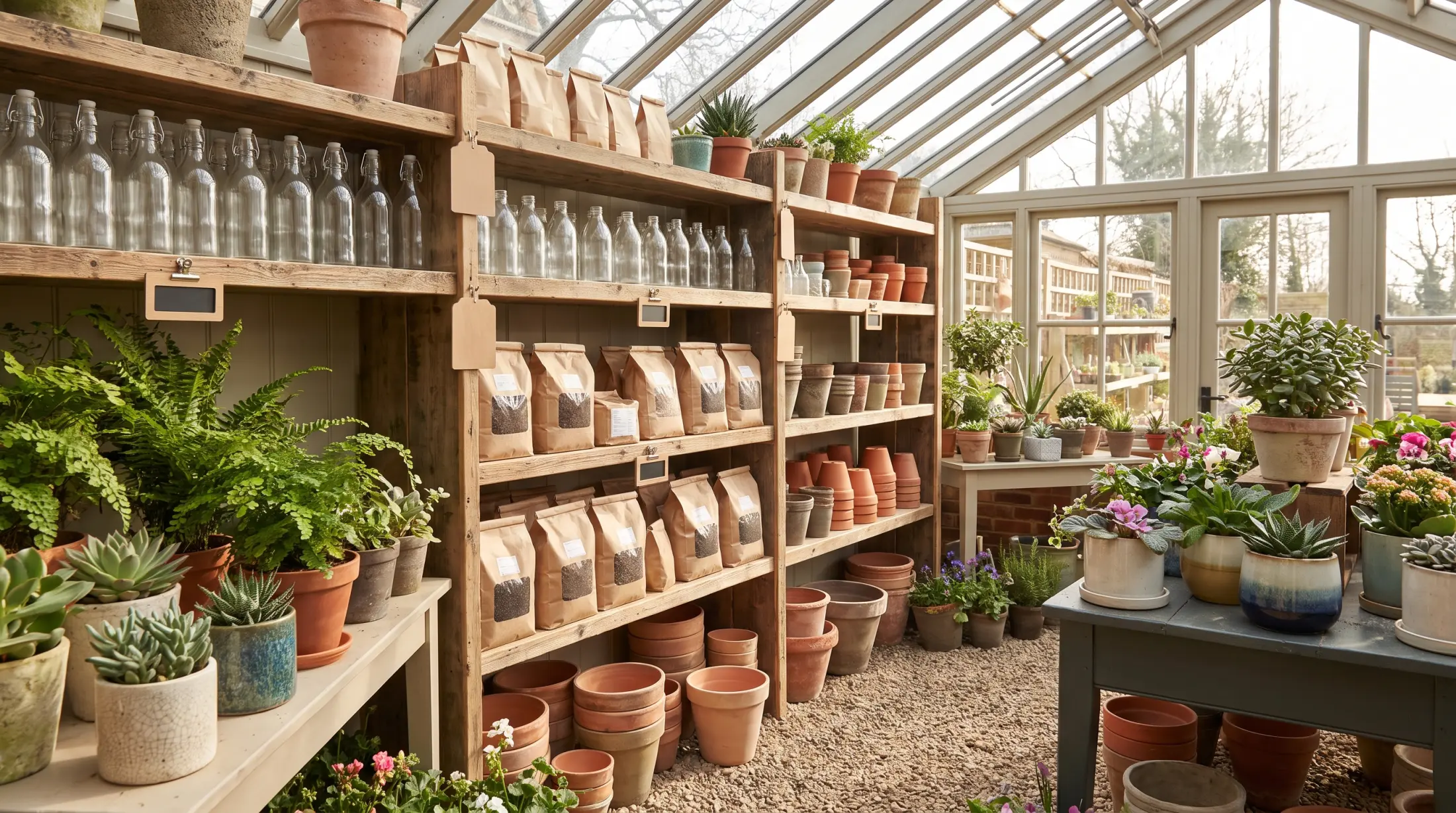
Shelf talkers & header cards
The process comparison in one glance — mined-and-alkali-extracted versus fermented-and-water-extracted. [RET-14] confirm sizes and quantities supplied
Staff one-pager
The thirty-second pitch above, plus the do-not-say list, printed for the break room.
Customer-facing QR
Links to the gardener page — directions for use, rates by application, and the FAQ — so shoppers can self-serve the detail your staff doesn't need to memorize.
Digital asset pack
[RET-15] list what's supplied: product photography, logo files, copy blocks, social assets, spec sheet PDF
Getting started
Four steps to first delivery
-
Send an inquiry
Store name, location, and roughly what your soil-amendment set looks like today.
-
Get the trade pack
Price list, spec sheet, SDS, registration status by state, and a sample if you'd like to try it on your own stock first.
-
Set the opening order
We'll suggest a SKU mix based on store size and customer profile rather than pushing the full range at once.
-
Brief the floor
Fifteen minutes with the one-pager, in person or on a call. [RET-17] confirm whether live training is offered
Trade questions
What buyers usually ask first
Where does this sit on my shelf?
Is it registered for sale in my state?
Is it OMRI listed?
Do you sell direct to consumers?
How is it different from the humic products I already carry?
What's your supply reliability?
Open an account
Let's talk about your set.
Send us your store details and we'll come back with a price list, registration status for your state, and a suggested opening order.